Lacy Phacelia Cover Crop Seeds
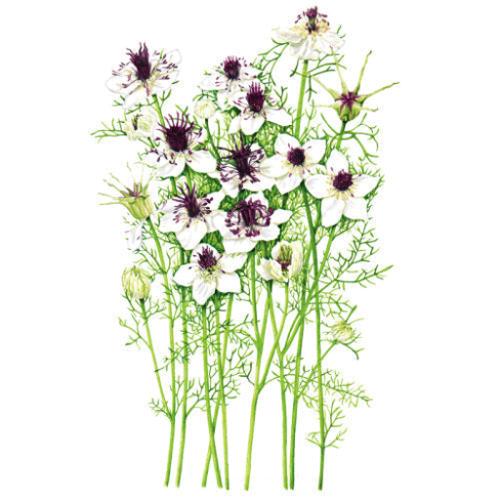
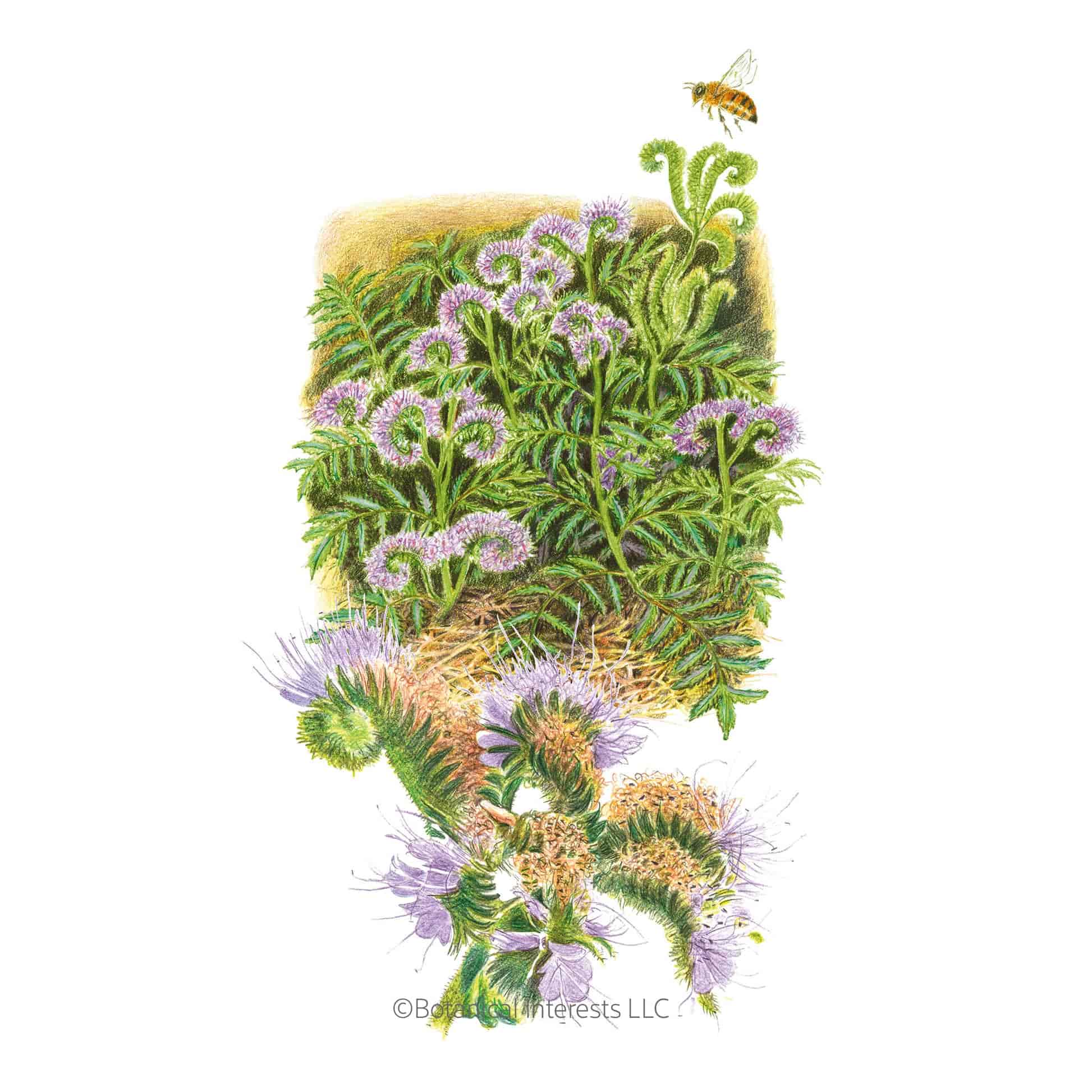
Known by many names including "Lacy Scorpion-weed", "Blue Tansy", and "Bee's Friend", this plant does it all! While primarily used as a cover crop to improve soils and decrease erosion, "Lacy Phacelia" has adorable, bell-shaped, violet flowers found on fiddlehead clusters. These clusters make for fantastic cut flowers. As "Lacy Phacelia" is native to Arizona and California, it is very tolerant of drought conditions and poor soils, so it's perfect for low-water use gardens! As an added bonus, this plant attracts many pollinators including native bumblebees, bee flies, and honeybees. This plant can grow well from sea level up to 8,000 feet.
Known by many names including "Lacy Scorpion-weed", "Blue Tansy", and "Bee's Friend", this plant does it all! While primarily used as a cover crop to improve soils and decrease erosion, "Lacy Phacelia" has adorable, bell-shaped, violet flowers found on fiddlehead clusters. These clusters make for fantastic cut flowers. As "Lacy Phacelia" is native to Arizona and California, it is very tolerant of drought conditions and poor soils, so it's perfect for low-water use gardens! As an added bonus, this plant attracts many pollinators including native bumblebees, bee flies, and honeybees. This plant can grow well from sea level up to 8,000 feet.
Description
Known by many names including "Lacy Scorpion-weed", "Blue Tansy", and "Bee's Friend", this plant does it all! While primarily used as a cover crop to improve soils and decrease erosion, "Lacy Phacelia" has adorable, bell-shaped, violet flowers found on fiddlehead clusters. These clusters make for fantastic cut flowers. As "Lacy Phacelia" is native to Arizona and California, it is very tolerant of drought conditions and poor soils, so it's perfect for low-water use gardens! As an added bonus, this plant attracts many pollinators including native bumblebees, bee flies, and honeybees. This plant can grow well from sea level up to 8,000 feet.